Call Us Today!
(386) 738-2006
New Patients
(386) 202-1202

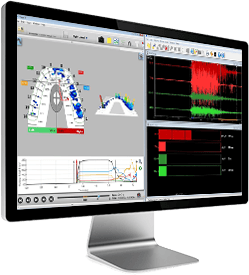
Digital occlusal analysis utilizes computer-guided treatments for TMD/TMJ disorder, providing patients better quality care in less time.
For more than 30 years, computerized occlusal analysis has been used to better understand how to treat TMD/TMJ disorders. Until these systems developed, a nightguard or plastic splint was often the preferred treatment option. Disclusion Time Reduction Therapy is a computer-guided form of treatment that makes minor adjustments to the teeth. These adjustments improve occlusion, or the relationship between teeth, and allow the muscles to relax.
By improving occlusion and relaxing muscles, pain and the need for either surgery or a nightguard are often eliminated. Treatment can be completed in as few as 1 to 3 appointments, with benefits that may last for years.
Approximately 15 million Americans suffer from some sort of bite disorder. These conditions can range from minor, infrequent pain and clicking to debilitating migraines and an inability for the jaw to function. Many cases are muscle-related, while others may involve dislocation or degenerative joint changes. Regardless of the cause, it is possible to treat many of these disorders with TMD/TMJ therapy.
The primary goal of TMD/TMJ therapy is to return the jaw to proper function, thereby eliminating related symptoms. In many cases, a combination of treatments may be utilized, with some improving the function of the muscles and others addressing the relationship between the teeth and bones.


